
Marketing Beyond the Screen: How Emerging Technologies Could Change Customer Experiences.”
Imagine shopping for a sofa without visiting a showroom, trying on sunglasses without physically wearing them, or asking a virtual assistant for product recommendations that actually understand your needs. What once sounded like something from a science-fiction movie is gradually becoming part of everyday digital experiences.
Marketing is no longer limited to advertisements, websites, and social media posts. Emerging technologies are creating new ways for businesses to interact with customers, making digital experiences more immersive, personalized, and convenient.
For businesses, this shift presents an interesting opportunity: instead of simply showing customers what a product looks like, brands can help them experience it before making a purchase.
But how exactly are technologies such as Artificial Intelligence, Augmented Reality, and Virtual Reality changing the relationship between brands and consumers? And how will this affect digital marketing going forward?
Let’s explore.
1. From Traditional Advertising to Interactive Experiences
Think about the last time you purchased something online. You probably looked at product photographs, read descriptions, checked reviews, and compared prices before making a decision.
Now imagine being able to interact with that product before purchasing it.
This is the direction in which modern customer experience is moving. Rather than relying entirely on traditional promotional messages, businesses are experimenting with interactive technologies that allow customers to explore products and services more naturally.
For example, a furniture retailer could let customers visualize how a particular chair would look in their living room. A beauty brand might offer a virtual makeup experience, allowing shoppers to experiment with different shades.
These experiences make marketing more participatory. Customers are no longer just receiving information; they are actively engaging with the brand.
2. Artificial Intelligence: Making Marketing More Personal
Artificial Intelligence (AI) is changing how businesses understand customer preferences and deliver relevant experiences.
Consider an online shopping website that remembers your interests and recommends products based on your browsing activity. Or a streaming platform that suggests content according to what you have previously watched.
These are familiar examples of personalized digital experiences.
In marketing, AI can help businesses analyze customer behavior, identify patterns, automate repetitive tasks, and create more relevant communication.
### How businesses can use AI
* Personalized recommendations: Suggest products based on customer interests and previous interactions.
* Predictive analytics: Identify patterns that may help businesses anticipate customer needs.
* Marketing automation: Send relevant messages based on customer actions.
* Content assistance: Support marketers with brainstorming, research, and content planning.
However, personalization should not mean making customers feel constantly monitored. Businesses need to balance convenience with privacy and transparency.
The real value of AI lies in helping brands communicate more thoughtfully, not simply sending more messages.
3. Augmented Reality: Bringing Products Into the Customer's World
One of the biggest challenges in online shopping is uncertainty.
Will the furniture fit? Will those glasses suit my face? Does that shade of lipstick match my skin tone?
Augmented Reality (AR) offers an interesting way to address these questions.
AR adds digital elements to the real-world environment, usually through a smartphone camera or compatible device.
Instead of imagining how a product might look, customers can preview it in their surroundings.
### Practical applications of AR marketing
Furniture and interior design: Customers can visualize furniture in their rooms before ordering.
Fashion and beauty: Virtual try-on features allow shoppers to experiment with accessories, makeup, and other products.
Interactive packaging: Product packaging can include digital experiences, instructions, or additional information when scanned.
For businesses, AR can make product discovery more engaging and help customers feel more confident about their choices.
It also creates opportunities for brands to offer memorable experiences beyond conventional product photography.
4. Virtual Reality: Creating Experiences Beyond Physical Boundaries
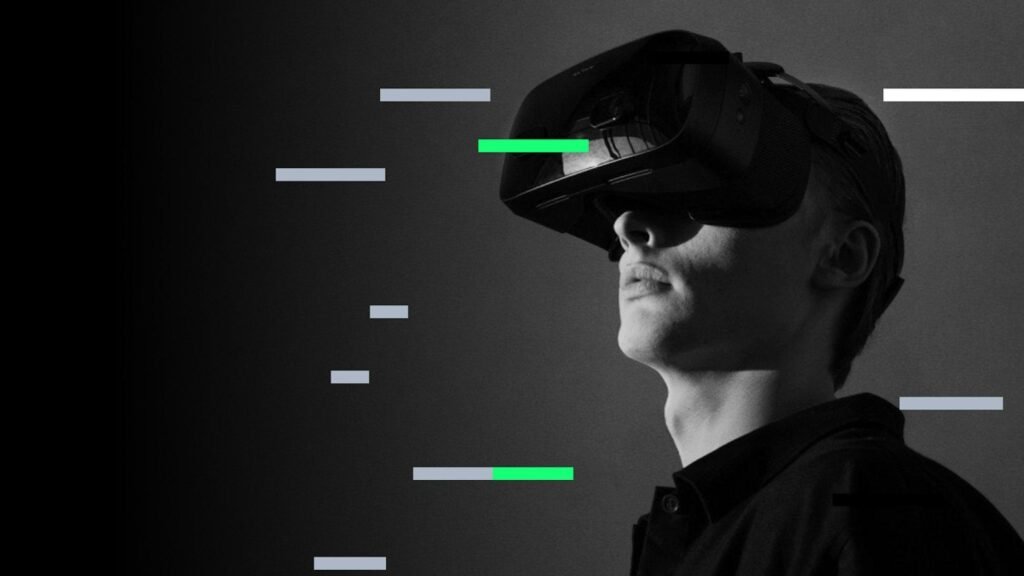
While AR enhances the real world with digital elements, Virtual Reality (VR) creates an entirely digital environment that users can explore through compatible headsets.
For marketers, this opens possibilities that traditional advertising cannot easily provide.
Imagine a travel company offering a virtual tour of a destination before customers book their holiday. A real estate business could provide an immersive walkthrough of a property to someone living in another city.
These experiences allow customers to explore places and environments without physically being there.
### Where VR can support marketing
* Virtual property tours for real estate businesses.
* Immersive destination previews for travel brands.
* Interactive product demonstrations.
* Virtual showrooms and branded experiences.
* Experiential campaigns for events and product launches.
VR is not necessary for every business. Its usefulness depends on the product, audience, budget, and customer expectations.
However, when used thoughtfully, it can help businesses communicate experiences that are difficult to explain through text or images alone.
5. Conversational AI: When Customer Support Becomes a Conversation
Customers often have questions before making a purchase.
They might want to know whether a product is available, how long delivery takes, or which service suits their requirements.
Conversational AI, including AI-powered chatbots and virtual assistants, can help businesses respond to these questions through natural-language interactions.
For example, a customer visiting an online clothing store could ask, “Can you suggest an outfit for a formal evening event?”
A conversational assistant could guide the customer through available options and provide relevant product information.
For businesses, these tools can support customer service outside regular working hours, handle common enquiries, and help visitors navigate websites.
Still, automation has its limitations. Complicated complaints, sensitive concerns, and situations requiring personal understanding may need human assistance.
The most useful approach is not to remove human interaction, but to make it easier for customers to reach the right support when they need it.
6. The Benefits of Emerging Technologies in Digital Marketing
When implemented with a clear purpose, emerging technologies can improve several aspects of the customer journey.
### More engaging experiences
Interactive product previews and immersive environments encourage customers to explore rather than passively consume information.
### Greater personalization
AI can help businesses provide relevant recommendations and communication based on customer preferences.
### Better product understanding
AR demonstrations and VR experiences can help customers understand products before making decisions.
### Improved convenience
Conversational assistants and automated support can make it easier to find information and complete routine tasks.
### New opportunities for brand differentiation
Businesses can create distinctive experiences that reflect their identity and give customers another reason to remember them.
However, technology alone does not guarantee engagement, trust, or sales. The experience must solve a genuine customer problem.
7. Challenges Businesses Should Consider
Despite the possibilities, adopting emerging technologies comes with practical challenges.
Cost and accessibility: Developing AR or VR experiences may require specialized skills, software, and investment.
Privacy concerns: Personalized experiences often rely on customer data. Businesses must handle that information responsibly and communicate clearly about its use.
Technical limitations: Not every customer has access to compatible devices, reliable internet, or the latest technology.
User experience: An impressive feature can become frustrating if it is difficult to navigate or slows down a website.
Human connection: Automated interactions should not make customers feel ignored or reduce access to meaningful support.
For small businesses and startups, the solution is to begin with a clear objective rather than adopting every new technology simply because it is trending.
A useful chatbot, a well-designed interactive product page, or a personalized email journey may offer more practical value than an expensive immersive campaign.
8. What Could the Future of Customer Experience Look Like?
As AI, AR, VR, and conversational technologies continue to develop, digital marketing may become increasingly connected to everyday customer activities.
Customers could discover products through conversational assistants, preview them using AR, receive personalized guidance, and complete purchases through more seamless digital experiences.
The distinction between online and offline shopping may also become less noticeable as businesses connect physical environments with digital interactions.
For marketers, this means developing a broader understanding of customer experience—not just advertising, but the complete journey from discovery to post-purchase support.
The important question will not simply be, “Which technology should we use?”
It will be, “How can this technology make the customer’s experience genuinely better?”
## Conclusion: Technology Should Make Marketing Feel More Human
Emerging technologies are expanding what digital marketing can achieve. AI can make communication more relevant, AR can bring products into real-world environments, VR can create immersive experiences, and conversational AI can make information easier to access.
Yet the purpose of marketing remains familiar: understanding people, solving problems, and building meaningful relationships.
A beautifully designed virtual showroom means little if it does not help customers make better decisions. A personalized recommendation is only useful when it feels relevant rather than intrusive.
For businesses looking toward the future, the opportunity lies in combining technological innovation with human understanding.
Because the future of marketing is not simply about creating experiences beyond the screen. It is about creating experiences that make customers feel understood, confident, and connected.